Get Chimney Cap Replacement
Chimney cap replacement services help property owners fix damaged or missing caps to prevent water, debris, and pests from entering and damaging the chimney.
Property owners considering chimney cap replacement often recognize the importance of protecting their homes from weather damage, pests, and debris. A properly functioning chimney cap helps prevent water intrusion, reduces the risk of animal entry, and minimizes the buildup of creosote and soot, which can impact the safety and efficiency of a fireplace or stove. Exploring local contractors who specialize in chimney cap services can ensure that the work is handled with expertise, supporting the long-term integrity of the chimney system and overall property maintenance.
For those planning updates or repairs, comparing options among local service providers can offer valuable insights into the best approaches for chimney cap replacement. Engaging with experienced contractors in the area allows property owners to evaluate different solutions, materials, and service approaches that suit their specific needs. Continuing to explore these local options can help make informed decisions about maintaining and enhancing the safety and functionality of a home’s chimney system.
- Chimney Cap Replacement - when a damaged or missing chimney cap allows debris or animals to enter the chimney.
- Chimney Cap Replacement - if the existing cap shows signs of rust, corrosion, or deterioration over time.
- Chimney Cap Replacement - after a chimney fire or severe weather has compromised the cap’s integrity.
- Chimney Cap Replacement - when upgrading to a more durable or weather-resistant cap for better protection.
- Chimney Cap Replacement - during routine chimney inspections that reveal the need for cap repair or replacement.
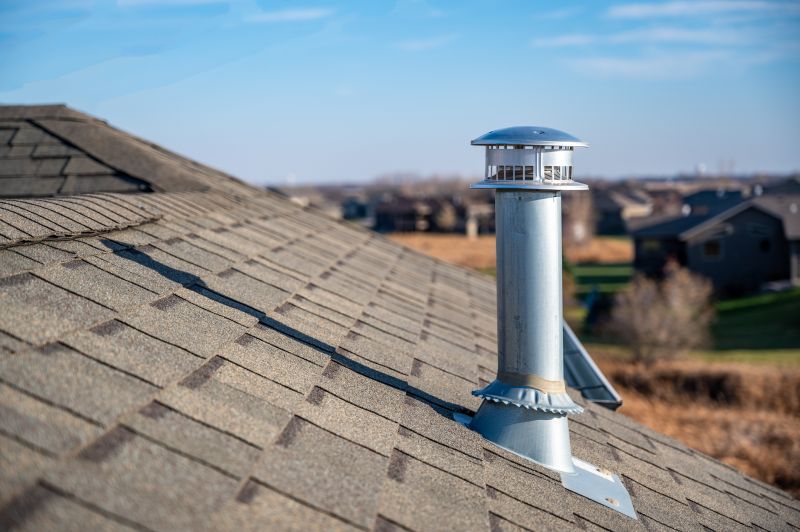
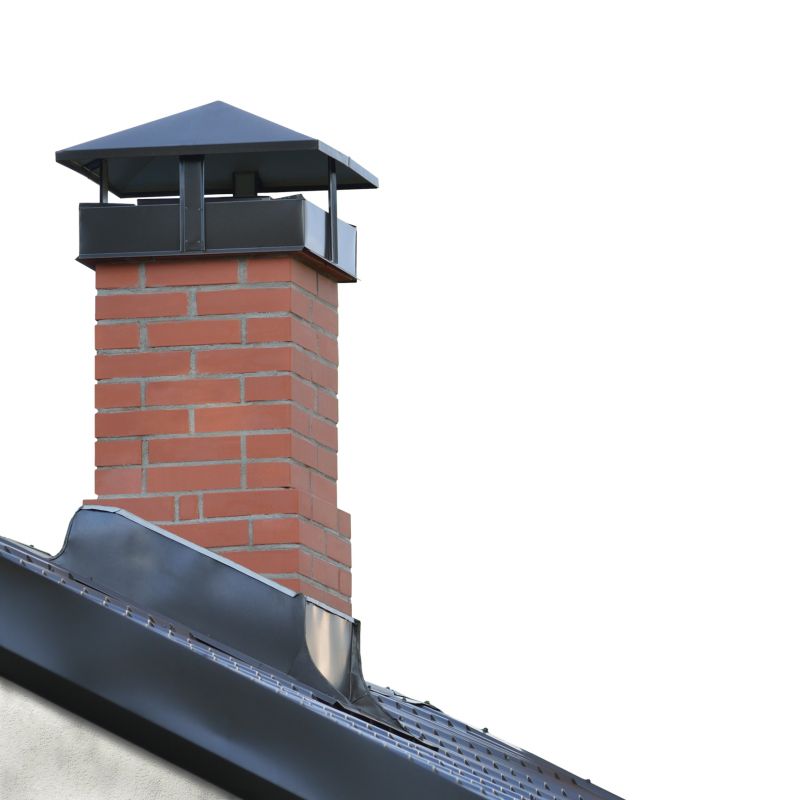
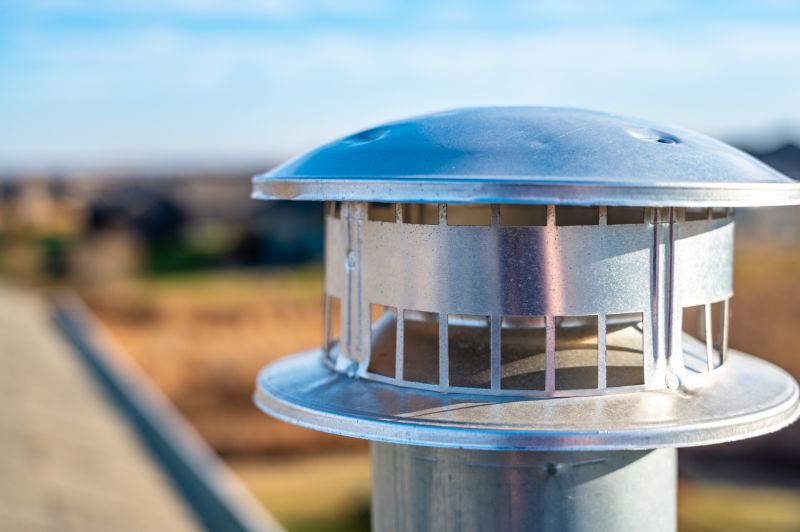
Chimney cap replacement services involve removing an existing chimney cap and installing a new one to ensure proper protection for the chimney. The process typically includes inspecting the current cap for damage or deterioration, selecting a suitable replacement that matches the chimney’s specifications, and securely installing the new cap to prevent future issues. This service helps maintain the integrity of the chimney system, preventing debris, animals, and moisture from entering and causing damage or blockages.
One of the primary problems that chimney cap replacement addresses is the prevention of water intrusion. Over time, caps can rust, crack, or become loose, allowing rainwater to seep into the chimney. This can lead to internal damage, such as rusted components or mold growth, and compromise the overall safety of the fireplace or stove. Additionally, a damaged or missing cap can allow animals, leaves, and debris to enter the chimney, increasing the risk of blockages, smoke backups, or fire hazards.
Chimney cap replacement is often needed on properties that have experienced weather-related wear or have aging chimney systems. Homeowners with older homes, properties exposed to harsh weather conditions, or those noticing signs of damage-such as rust, cracks, or debris buildup-may find this service beneficial. It’s also common for property owners who want to improve their chimney’s performance and protect their home investment by ensuring the chimney system remains sealed and secure.
Many types of properties utilize chimney cap replacement services, including single-family homes, historic residences, and multi-unit buildings. Whether a property has a traditional brick chimney or a more modern design, a suitable cap can help prevent costly repairs down the line. Local contractors specializing in chimney services can assess the specific needs of each property, recommend appropriate caps, and handle the installation efficiently to keep the chimney functioning safely and effectively.
The overview below groups typical Chimney Cap Replacement projects into broad ranges so you can see how smaller, mid-sized, and larger jobs often compare in your area.
In many markets, a large share of routine jobs stays in the lower and middle ranges, while only a smaller percentage of projects moves into the highest bands when the work is more complex or site conditions are harder than average.
Smaller Repairs - Most routine chimney cap repair jobs typically cost between $250 and $600. Many local contractors handle these smaller projects efficiently within this range. Larger or more complex repairs can sometimes reach $800 or more.
Full Cap Replacement - Replacing a chimney cap entirely usually falls in the $400-$1,200 range. Many projects are completed within this band, though more elaborate replacements with custom features can go higher.
Material and Design Choices - The cost can vary depending on materials, with basic steel caps often costing less than $500, while copper or decorative options may range from $700 to over $2,000. These choices influence the overall project price.
Complex or Multiple Chimneys - Large or multi-chimney jobs can range from $1,500 to $5,000+ for extensive work. Such projects are less common and typically involve additional considerations like structural modifications or custom fabrication.
Actual totals will depend on details like access to the work area, the scope of the project, and the materials selected, so use these as general starting points rather than exact figures.
Chimney Repair - Professionals skilled in chimney repair often have experience with chimney cap installation and replacement, ensuring proper fit and function.
Flue Cover Installation - Installing flue covers requires similar planning and tools as chimney cap replacement to protect the chimney interior from debris and pests.
Chimney Waterproofing - Waterproofing projects involve working on the chimney exterior, utilizing similar safety precautions and tools as cap replacement services.
Venting System Upgrades - Upgrading venting systems often includes installing or replacing chimney caps to ensure proper venting and safety.
Chimney Crown Repair - Repairing or replacing chimney crowns involves working at heights and with masonry tools similar to those used in cap replacement.
Storm Collar Replacement - Replacing storm collars, which seal around the chimney pipe, requires skills and tools comparable to those used for chimney cap installation.
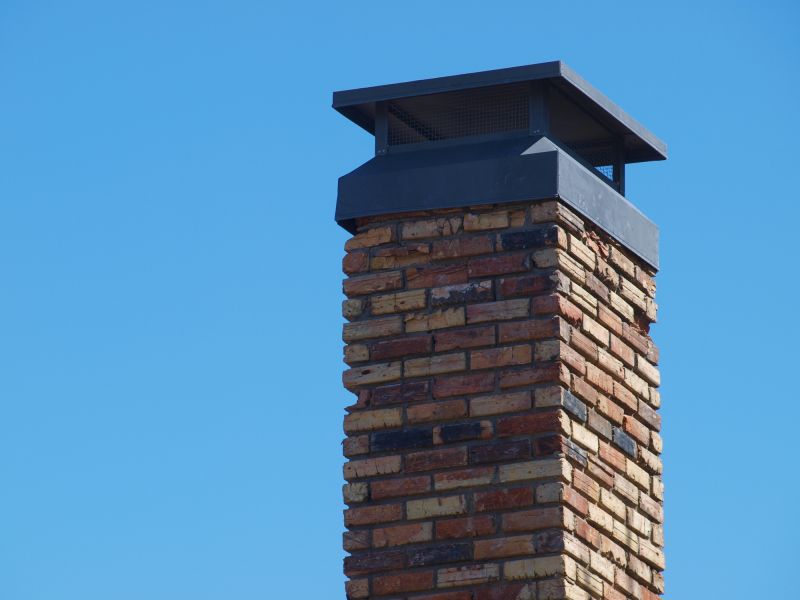
When choosing a contractor for chimney cap replacement, it’s important to evaluate their experience with similar projects. Homeowners should look for local service providers who have a proven track record of handling chimney cap replacements or related chimney repairs. An experienced contractor will be familiar with different chimney types and materials, helping to ensure that the work is performed correctly and efficiently. Asking about previous work or requesting examples of completed projects can provide insight into their familiarity with this specific service.
Clear, written expectations are essential to a successful project. Homeowners should seek out local contractors who provide detailed descriptions of the scope of work, materials used, and any warranties or guarantees offered. Having these details in writing helps prevent misunderstandings and ensures that both parties are aligned on the project’s goals. It’s also beneficial to clarify the process, including how the work will be scheduled and what the homeowner can expect during the installation or replacement process.
Reputable references and good communication are key factors when comparing local service providers. Homeowners can ask for references from previous clients or look for reviews that highlight the contractor’s professionalism and reliability. Effective communication from the start-such as prompt responses to questions and clarity about the project-can make the entire experience smoother. Remember, the site introduces homeowners to local pros capable of handling chimney cap replacements, but it does not perform the work itself. Connecting with reputable, experienced, and communicative service providers can help ensure the project is completed to satisfaction.
Property owners use Chimney Cap Replacement services for practical projects around their homes and businesses. This guide focuses on everyday jobs and straightforward project options.
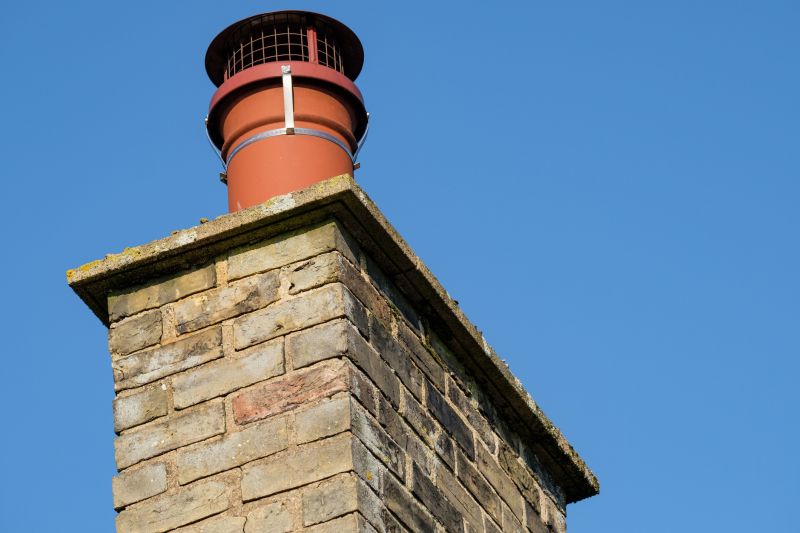
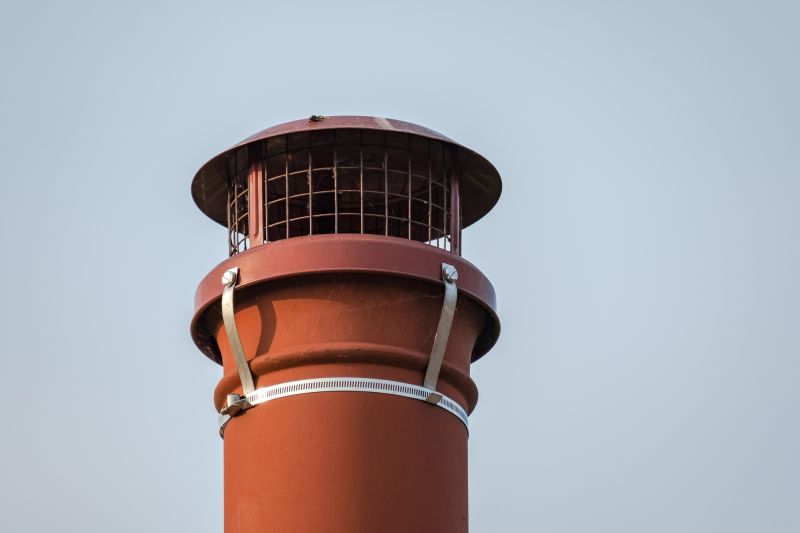
Chimney cap replacement is a common project for property owners dealing with damaged or outdated caps that no longer provide proper protection. Over time, exposure to weather elements can cause caps to rust, crack, or become loose, which may allow debris, animals, or moisture to enter the chimney. Local contractors are available to assess the condition of existing caps and recommend suitable replacements to help maintain the integrity of the chimney and prevent potential issues.
Many property owners seek chimney cap replacement after noticing signs like increased debris buildup, animal intrusion, or water leaks inside their homes. A properly installed cap can improve the chimney’s performance and protect the structure from damage caused by weather and pests. Service providers in the area can handle these repairs efficiently, ensuring that the chimney functions safely and effectively for years to come.
What is a chimney cap and why is it important to replace it? A chimney cap is a protective cover installed on top of a chimney to prevent debris, animals, and water from entering. Replacing a damaged or worn cap helps protect the chimney structure and improve safety.
How do I know when a chimney cap needs replacement? Signs include visible damage, rust, corrosion, or if the cap is missing altogether. An inspection by local contractors can determine if a replacement is necessary.
What types of chimney caps are available for replacement? There are various options, including stainless steel, copper, and galvanized steel caps, each offering different durability and aesthetic qualities suitable for different chimney types.
Can a chimney cap replacement be done without professional help? While some homeowners may attempt replacements, it is generally recommended to hire local service providers to ensure proper installation and safety.
What benefits does replacing a chimney cap provide? Replacing a chimney cap can help prevent water damage, reduce the risk of animal intrusion, and improve the overall function and longevity of the chimney system.
Improve chimney safety - Replacing a damaged or outdated chimney cap helps prevent debris, animals, and water from entering the chimney, reducing potential hazards.
Enhance chimney performance - A new chimney cap can improve draft efficiency and prevent downdrafts, supporting better fireplace or stove operation.
Protect the property - Installing or upgrading a chimney cap helps safeguard the roof and interior from water leaks and weather damage.
Maintain aesthetic appeal - Choosing a chimney cap that matches the property’s style can contribute to a tidy, finished look for the chimney area.
If you are thinking about Chimney Cap Replacement for a property, this guide is meant to help you understand the work, the typical project types, and how different options might fit your plans.
When you are ready, you can use the quote form on this page to share a few details about your project. From there, local pros can review the basics and respond with options that match what you have in mind.